

What Are the Top Motor Spare Parts Brands?
Choosing a Motor Spare part is rarely as simple as picking the most familiar logo. Drivers and repair professionals need parts that match the vehicle, perform reliably, and remain practical to source. A trusted brand can offer consistent manufacturing and clear product information, but reputation alone cannot confirm compatibility. Fit matters most.
This guide examines well-known names such as Bosch, DENSO, Valeo, NGK, ACDelco, and SKF, while recognizing that strengths vary by component and market. One brand may be a strong choice for sensors, while another is better known for bearings or ignition parts. The right comparison looks beyond advertising: check the part number, vehicle application, warranty terms, packaging, and supplier reputation. A label that looks convincing is not proof of quality.
The market is messier than a simple ranking suggests. Availability, regional specifications, and budget can change which option makes sense. Even established manufacturers may not offer the best fit for every vehicle or repair. Readers should verify details against the vehicle manual or a qualified technician’s advice, especially when a wrong component could affect safe operation. This overview provides a practical starting point, not a substitute for careful inspection.
Which Motor Spare Parts Categories Serve the Automotive Aftermarket?
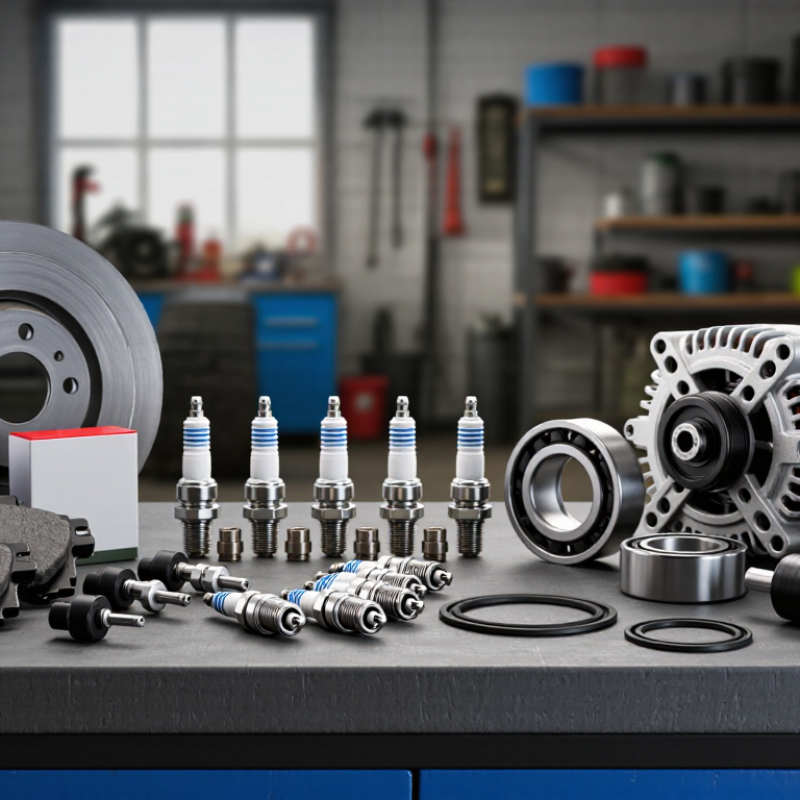
Automotive aftermarket demand spans routine service parts and major repairs. The 2024 Auto Care Association Factbook projected U.S. light-duty aftermarket sales at $435.1 billion for 2024. That broad market includes filters, spark plugs, belts, batteries, brake pads, rotors, suspension components, and electrical parts. Small items matter. A worn filter may be inexpensive, but the wrong size can delay a repair and frustrate a technician.
More complex categories include engine, transmission, cooling, steering, and drivetrain components. S&P Global Mobility reported that the average age of U.S. light vehicles reached 12.6 years in 2024, supporting continued demand for replacement parts as vehicles stay on the road longer. Buyers and repair shops need to check fitment by vehicle year, make, model, and engine, then confirm dimensions and operating specifications. A catalog may appear complete and still omit a small connector or mounting detail. That is easy to overlook. Good parts selection depends on accurate listings, clear technical data, and reliable quality control—not just a wide range.
| Spare Parts Category | Representative Parts | Vehicle System and Function | Common Replacement Factors | Aftermarket Fitment Considerations |
|---|---|---|---|---|
| Filters and Fluids Service Parts | Engine oil filters, air filters, cabin air filters, fuel filters, oil, and coolant | Help protect engine and fuel-system components, maintain airflow, and manage engine temperature. | Scheduled maintenance intervals, contamination, restricted airflow, or fluid degradation. | Match the part to the vehicle’s engine, model year, service specification, and filter dimensions. |
| Brake Components | Brake pads, brake shoes, rotors, drums, calipers, and hydraulic components | Convert braking force into friction to slow or stop the vehicle. | Friction-material wear, rotor or drum wear, corrosion, leaks, or changes in braking performance. | Confirm axle position, brake configuration, dimensions, and compatibility with the vehicle’s braking system. |
| Ignition and Engine Management | Spark plugs, ignition coils, glow plugs, sensors, and selected engine-control components | Support combustion in gasoline engines and assist cold starting or engine control in applicable vehicles. | Wear, electrical failure, misfires, difficult starting, or a diagnosed sensor fault. | Check engine type, connector design, heat range or specification, and vehicle diagnostic requirements. |
| Electrical and Starting Parts | Batteries, alternators, starter motors, fuses, relays, and wiring components | Store and supply electrical energy, start the engine, and power vehicle systems. | Battery aging, charging faults, worn starter components, corrosion, or electrical failure. | Verify voltage, capacity, terminal layout, output rating, mounting, and electrical connections. |
| Belts, Tensioners, and Timing Parts | Accessory drive belts, timing belts, tensioners, idlers, and timing-chain components | Drive engine accessories or maintain synchronized movement between engine components. | Scheduled replacement, cracking, fraying, noise, tensioner wear, or timing-system diagnosis. | Follow the correct engine-specific part specification and service procedure; timing parts may require related components to be replaced together. |
| Cooling System Parts | Radiators, thermostats, water pumps, cooling fans, hoses, and expansion tanks | Circulate coolant and transfer heat to help keep the engine within its operating-temperature range. | Coolant leaks, overheating, corrosion, bearing noise, or thermostat and fan failure. | Match engine variant, hose connections, dimensions, pressure requirements, and electrical connectors where applicable. |
| Suspension and Steering Parts | Shock absorbers, struts, control arms, ball joints, tie rods, and wheel bearings | Help support the vehicle, control wheel movement, and maintain steering response and tire contact. | Wear, impact damage, looseness, abnormal tire wear, noise, or reduced ride and handling performance. | Confirm front or rear position, left or right side, suspension design, and whether alignment is needed after installation. |
| Clutch and Drivetrain Parts | Clutch discs, pressure plates, release bearings, CV joints, and drive shafts | Transmit engine torque through the transmission to the driven wheels. | Clutch slip, difficulty changing gear, vibration, joint wear, or damaged protective boots. | Check transmission type, engine and drivetrain configuration, shaft dimensions, and connection details. |
| Engine Internal and Sealing Parts | Gaskets, seals, pistons, piston rings, bearings, and valve-train components | Support combustion, maintain compression, reduce friction, and seal engine passages. | Oil or coolant leaks, loss of compression, excessive wear, or engine repair requirements. | Use engine code and measured specifications where required; many components depend on engine machining and repair procedures. |
| Exhaust and Emissions Parts | Exhaust pipes, mufflers, catalytic converters, oxygen sensors, and exhaust gaskets | Route exhaust gases, reduce noise, and support emissions-control functions. | Corrosion, leaks, physical damage, excessive noise, or a diagnosed emissions-system fault. | Confirm engine, emissions specification, sensor position, pipe layout, and applicable local vehicle requirements. |
