Top Toilet Paper Roll Raw Material Manufacturers Worldwide
The global toilet paper industry depends on reliable raw material manufacturers, not only finished-goods brands. This guide examines leading suppliers of pulp, recycled fiber, and tissue-grade jumbo rolls across major production regions. It considers product consistency, mill capacity, certifications, delivery performance, and technical support. These factors matter when a small variation in fiber quality can change softness, strength, dust levels, and machine efficiency.
Manufacturers serving the Roll Raw Material Toilet Paper market often use virgin kraft pulp, recovered paper, or blended furnish. Each option creates different results. Virgin pulp may deliver cleaner fibers and smoother tissue. Recycled material can support circular production, although color, odor, and contamination risks require careful control. Experienced buyers should inspect basis weight, moisture balance, tensile strength, brightness, and roll dimensions before signing long-term agreements.
Details matter most.
This overview draws attention to established manufacturers with verifiable production records, transparent specifications, and recognized quality systems. It also considers regional logistics, export experience, and responsiveness when technical problems appear. However, rankings are never completely permanent. Capacity changes, energy costs, raw material availability, and environmental policies can reshape supplier performance within months. A company that looks ideal on paper may still need a factory audit, sample trial, and reference check. Readers should treat this guide as a practical starting point, not a final purchasing decision. The strongest supplier is not always the largest one. It is the manufacturer that consistently matches your equipment, product grade, market requirements, and quality expectations.
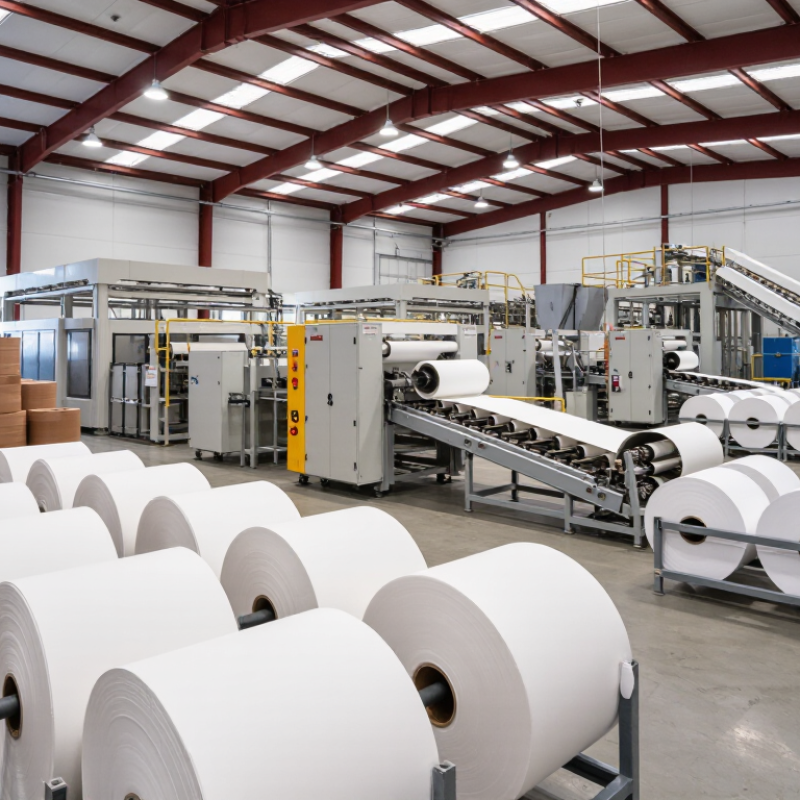
Global Toilet Paper Roll Raw Material Manufacturing Landscape
The global toilet paper roll raw material landscape is shaped by virgin pulp, recovered paper, and smaller non-wood fiber streams. FAO’s 2023 Forest Products statistics reported global paper and paperboard production at approximately 423 million tonnes. Tissue producers use only a portion of this volume, yet their quality requirements are unusually strict. Fiber length, moisture, brightness, and cleanliness affect softness, strength, and machine efficiency.
Manufacturers of virgin pulp remain concentrated near managed forests, major ports, and reliable energy supplies. Recycled-fiber producers operate closer to dense urban collection systems. The European Paper Recycling Council reported a recycling rate of about 79% for paper and board in Europe in 2022. This supports regional circular supply, but recovered fiber is not automatically suitable for toilet tissue. Food residue, inks, and short fibers can increase cleaning costs and reduce sheet strength.
Practical purchasing teams often test incoming pulp before signing long contracts. They check absorbency, tensile performance, ash content, and odor under controlled conditions. Smithers’ tissue industry forecasts continue to identify hygiene demand and emerging-market consumption as major growth factors. However, forecasts can miss local disruptions. Freight costs, water stress, and inconsistent recycled collections still reshape supply decisions. The landscape is not perfectly clean. Some low-cost materials appear attractive until converting losses become visible. Manufacturers also need credible chain-of-custody records and wastewater controls, not only favorable laboratory results.
Key Raw Materials Used in Toilet Paper Roll Production
Top Toilet Paper Roll Raw Material Manufacturers Worldwide
Toilet paper rolls depend mainly on wood pulp, recycled fiber, water, and small amounts of process chemicals. Virgin pulp provides softness, strength, and consistent formation. Recycled fiber can reduce demand for fresh timber, but it often produces darker sheets and shorter fibers. The U.S. Environmental Protection Agency reported a 68.2% paper and paperboard recycling rate in 2018. This figure confirms strong recovery potential, though recovered paper is not an unlimited resource.
The Food and Agriculture Organization’s forest-products data placed global wood-pulp production at roughly 190 million tonnes in 2022. This scale explains why responsible sourcing matters to international manufacturers. Kraft pulp, sulfite pulp, and deinked recycled pulp serve different product grades. Water quality also affects softness, brightness, and machine stability. Common additives include wet-strength agents, debonders, dyes, and retention aids. However, excessive chemical use can increase treatment costs and complicate wastewater management. I once assumed recycled content alone defined sustainability. That view is incomplete.
Tips: Compare fiber length, moisture, brightness, and tensile strength before approving a supplier. Request chain-of-custody records and recycled-fiber testing. Also inspect the finished roll, not only laboratory sheets. A low-cost raw material may create dust, breaks, and uneven winding. The best manufacturers usually balance recycled and virgin fibers according to local supply, product design, and customer expectations. Evidence should guide that balance, not marketing language.
Leading Toilet Paper Roll Raw Material Manufacturers Worldwide
Leading toilet paper roll raw material manufacturers operate across integrated pulp, paper, and recycling networks. Their main advantage is stable fiber quality, not simply production volume. FAO’s Forestry Production and Trade database recorded approximately 190 million tonnes of global wood pulp production in 2022. However, this figure includes grades beyond tissue pulp, so direct comparisons can mislead.
Leading suppliers usually serve converting plants from major forest-product regions. North America, Latin America, Europe, and Asia remain important manufacturing centers. Latin American mills benefit from fast-growing plantation forests and large-scale kraft pulp operations. European producers often emphasize recycled fiber, energy efficiency, and traceability. Asian manufacturers combine imported pulp with expanding domestic recovered-paper systems. CEPI reported European pulp production near 36 million tonnes in 2023, showing the region’s continuing industrial depth.
Quality is tested at the roll, not only in the laboratory. Tissue manufacturers inspect fiber cleanliness, moisture, bulk, tensile strength, and reel winding. A small moisture variation can create wrinkles during high-speed converting. This is easy to underestimate. Certification data also matters, including responsible forestry and recycled-content verification. The Forest Stewardship Council and Programme for the Endorsement of Forest Certification publish chain-of-custody requirements, but certificates do not guarantee identical softness. Buyers should compare technical sheets, laboratory samples, delivery reliability, and mill-level environmental data. Smithers’ tissue industry analysis also highlights premium softness, resource efficiency, and regional supply resilience as continuing market priorities.
Top Toilet Paper Roll Raw Material Manufacturers Worldwide
Global reference mix of fiber materials used in toilet paper roll production
Virgin wood pulp remains the primary raw material for softness, strength, and absorbency. Recycled fiber is widely used in value-oriented and sustainability-focused products, while bamboo and other non-wood fibers represent smaller but growing material segments. Percentages are rounded industry reference estimates and vary by region and product specification.
Manufacturing Standards, Quality Control, and Certifications
Top Toilet Paper Roll Raw Material Manufacturers Worldwide
Reliable manufacturers follow documented standards from pulp selection to finished jumbo rolls. They separate virgin and recycled fibers to control consistency. Each incoming shipment should have batch records, supplier declarations, and traceable transport details. Moisture, brightness, fiber length, tensile strength, and absorbency require routine testing. Small variations can affect softness and machine performance.
Quality laboratories often test samples before production and after winding. Microbiological checks help reduce contamination risks, especially when recycled materials are used. ISO 9001 supports structured quality management, while ISO 14001 addresses environmental controls. Forest-related certifications, such as FSC or PEFC, may verify responsible fiber sourcing. However, a certificate is not proof of perfect performance. Independent audits, current test reports, and clear corrective-action records matter more than attractive claims. Standards differ by market, and buyers must check local requirements carefully.
Tips: Ask for a recent certificate, not a scanned document from years ago. Request three batch reports with matching lot numbers. Inspect roll edges, dust levels, and moisture during a factory visit. Verify that testing equipment is calibrated. A practical warning: manufacturers may present excellent laboratory results, yet shipping conditions can change moisture and strength. This gap deserves attention. No system is flawless. Reflective buyers should compare records, physical samples, and long-term delivery performance before approving a supplier.
How to Evaluate and Select a Reliable Raw Material Supplier
Top Toilet Paper Roll Raw Material Manufacturers Worldwide
Selecting a reliable toilet paper raw material supplier requires more than comparing price lists. Check whether the supplier provides consistent jumbo rolls, recycled pulp, or virgin pulp for your product design. Request samples from several production lots, not one carefully chosen roll. Measure basis weight, moisture, tensile strength, softness, brightness, and absorbency. Small differences can affect rewinding, embossing, and customer complaints.
A trustworthy supplier shares clear specifications and recent test reports. Ask for batch traceability, production capacity, lead times, and storage conditions. A shipment arriving late can stop an entire converting line. Review quality certificates, environmental records, and legal documentation relevant to your market. An independent factory audit is useful, especially when photographs look perfect.
Do not ignore communication. Can the supplier explain a rejected batch without vague promises? Can they provide a corrective-action report within a practical time? Test their backup plans for pulp shortages, equipment failure, and transport delays. Price matters, but unstable moisture or uneven winding may cost more than a higher quotation. I would also inspect packaging directly; damaged edges can create waste before production begins. This step is easy to miss. No supplier is flawless. A careful buyer should record weaknesses, challenge optimistic claims, and leave room for improvement. Reliability develops through repeated deliveries, transparent data, and measurable performance.