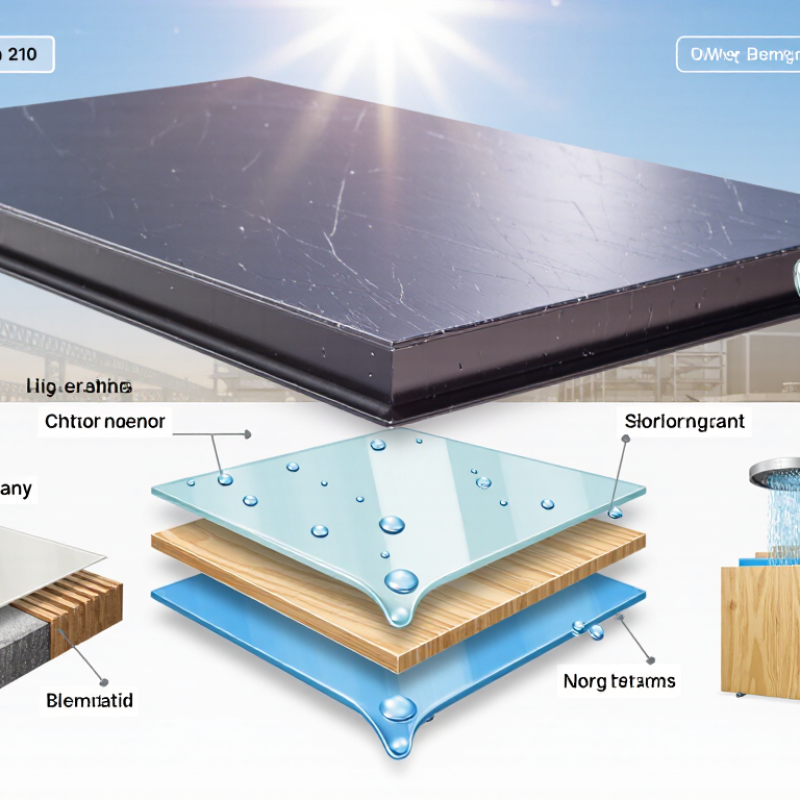
| Definition | Protective finishing coating | An acrylic topcoat is the final coating layer applied over a substrate or coating system to provide protection, color, gloss, and surface performance. |
| Primary Binder | Acrylic resin or acrylic copolymer | The binder forms the continuous film after drying or curing. It provides adhesion, hardness, flexibility, weatherability, and resistance to chemicals or moisture, depending on the formulation. |
| Common Acrylic Types | 100% acrylic Acrylic copolymer Styrene-acrylic | Pure acrylic systems generally offer strong exterior durability and color retention. Copolymer systems are formulated to balance cost, hardness, flexibility, adhesion, and environmental resistance. |
| Carrier or Medium | Waterborne Solventborne | Waterborne topcoats use water as the main carrier, while solventborne topcoats use organic solvents. The choice affects odor, drying behavior, application conditions, and regulatory requirements. |
| Typical Composition | Binder, carrier, pigments, additives, and optional fillers | Pigments provide color and opacity. Additives may improve leveling, foam control, flow, wetting, UV resistance, storage stability, or surface appearance. Fillers can adjust cost, texture, hardness, and film properties. |
| Curing or Drying Mechanism | Water or solvent evaporation; optional chemical crosslinking | Many acrylic topcoats form a film as the carrier evaporates and the particles coalesce. Some systems also use crosslinking reactions to improve hardness, chemical resistance, and durability. |
| Appearance Options | Gloss, semi-gloss, satin, or matte | The finish level is controlled by resin selection, pigment volume concentration, matting agents, and application conditions. Gloss surfaces usually provide stronger visual depth, while matte finishes reduce reflected light. |
| Main Performance Benefits | Color retention, weather resistance, adhesion, and surface protection | Acrylic topcoats are commonly selected for good resistance to sunlight, rain, oxidation, and general outdoor exposure. Actual performance depends on resin chemistry, film thickness, substrate preparation, and curing. |
| Typical Substrates | Metal, concrete, masonry, wood, plastics, and previously coated surfaces | The topcoat must be compatible with the substrate and any primer or intermediate coat. Surface cleaning, drying, profiling, and removal of loose material are important for reliable adhesion. |
| Common Applications | Buildings, equipment, furniture, vehicles, infrastructure, and industrial components | Acrylic topcoats are used where a decorative and protective finish is required, including architectural surfaces, metal structures, exterior wood, concrete, and maintenance coating systems. |
| Application Methods | Brush, roller, air spray, or airless spray | The suitable method depends on product viscosity, substrate geometry, required film thickness, and project size. Application tools should be clean and appropriate for the selected waterborne or solventborne system. |
| Surface Preparation | Clean, dry, sound, and properly profiled surface | Dust, oil, grease, rust, salts, loose paint, and other contaminants should be removed. Porous or bare substrates may require a compatible primer before the acrylic topcoat is applied. |
| Film Thickness | Specified as wet-film or dry-film thickness | The required thickness varies by product and application. Excessive thickness can cause slow drying, sagging, cracking, or incomplete curing, while insufficient thickness may reduce protection and coverage. |
| Drying and Recoat Factors | Temperature, humidity, airflow, film thickness, and substrate condition | Higher humidity, low temperature, poor ventilation, and thick application generally extend drying or recoat times. Always follow the technical requirements for the specific formulation. |
| Limitations | Variable chemical resistance, substrate compatibility, and application sensitivity | Not every acrylic topcoat is suitable for immersion, severe chemical exposure, continuous high temperatures, or incompatible substrates. Product selection should match the expected service environment. |
| Storage and Handling | Protect from freezing, excessive heat, contamination, and prolonged direct sunlight | Containers should remain sealed when not in use and be handled according to the product safety information. Waterborne formulations are particularly sensitive to freezing conditions. |